
Step into a world where Hyperbaric oxygen therapy (HBOT) meets the intricate dance of science and healing in English Bazar, West Bengal, India. Dive into the depths of innovative treatment for Chronic Non-Healing Wounds, where oxygen becomes the elixir of life, nurturing cells and fostering recovery. Witness the powerful synergy of technology and medicine as patients embark on a journey towards restoration and vitality. This is where hope intersects with healing, offering a beacon of light for those seeking solace in the realm of healthcare. Welcome to a realm of Hyperbaric healing like never before.
The webpage is renewing its overview of Hyperbaric Oxygen Therapy.
Hyperbaric Oxygen Therapy (HBOT) is a medical treatment where patients breathe pure oxygen in a pressurized chamber. This therapy significantly increases oxygen levels in the blood and tissues, promoting enhanced healing and recovery. HBOT is commonly used to treat conditions such as decompression sickness, chronic non-healing wounds, and carbon monoxide poisoning. By delivering higher oxygen concentrations, it helps to reduce inflammation, fight infection, and stimulate the growth of new blood vessels. Additionally, HBOT can be beneficial for patients with diabetic foot ulcers, radiation injuries, and certain infections.
The benefits of HBOT extend beyond its primary uses. It enhances white blood cell activity, boosting the body’s ability to fight infections. The increased oxygen also supports the repair of damaged tissues and reduces edema, facilitating faster recovery from injuries. Furthermore, HBOT has shown potential in improving outcomes for traumatic brain injuries and promoting neuroplasticity, aiding in the recovery of brain function. Overall, HBOT offers a versatile and effective approach to enhancing health and recovery in various medical conditions.
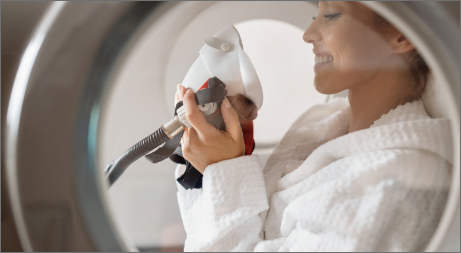

Examining the replenishing properties in treating Chronic Non-Healing Wounds.
Chronic non-healing wounds are wounds that fail to progress through the normal stages of healing and do not show significant improvement over a period of weeks or months. These wounds often result from underlying health conditions such as diabetes, venous insufficiency, or pressure ulcers. They can be characterized by persistent inflammation, infection, and inadequate tissue regeneration.
The healing process is hindered by factors like poor blood circulation, reduced oxygen supply to tissues, and repeated trauma or pressure. Chronic wounds are typically accompanied by symptoms such as persistent pain, redness, swelling, and drainage.
Effective management of chronic non-healing wounds involves addressing the underlying causes, improving blood flow, controlling infection, and providing appropriate wound care. Advanced treatments may include debridement, which removes dead tissue, and the use of specialized dressings to promote a moist healing environment. In some cases, therapies like hyperbaric oxygen therapy (HBOT) are utilized to enhance tissue oxygenation and support the healing process.
Hyperbaric oxygen therapy renewing tissue, healing Chronic Non-Healing Wounds.
Hyperbaric oxygen therapy (HBOT) is highly effective for treating chronic non-healing wounds by increasing oxygen delivery to tissues. This therapy enhances wound healing through several mechanisms:
- Oxygenation: HBOT delivers high-pressure oxygen, improving tissue oxygen levels, which is crucial for cellular function and wound healing.
- Reduction of Infection: Elevated oxygen levels inhibit anaerobic bacteria, reducing infection risk and promoting a sterile wound environment.
- Angiogenesis: HBOT stimulates new blood vessel formation (angiogenesis), enhancing blood flow to the wound and promoting tissue regeneration.
- Anti-inflammatory Effects: By reducing inflammation, HBOT helps to minimize tissue damage and accelerates healing.
- Collagen Production: Increased oxygen availability supports collagen synthesis, essential for wound closure and strength.
Overall, HBOT is a non-invasive, safe treatment that complements traditional wound care methods, offering significant benefits in improving healing outcomes for chronic non-healing wounds.
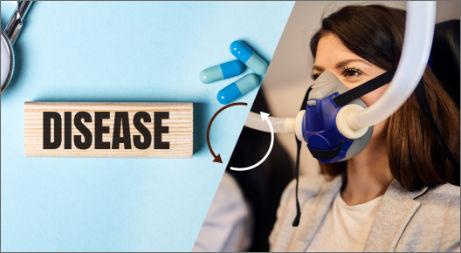
Hyperbaric Oxygen Therapy Shows Promise in Healing Chronic Non-Healing Wounds
Hyperbaric oxygen therapy (HBOT) offers significant advantages for treating chronic non-healing wounds. By enhancing tissue oxygenation, reducing infection risk, promoting angiogenesis, and supporting collagen production, HBOT accelerates wound healing effectively. Its non-invasive nature and compatibility with conventional wound care make it a valuable addition to treatment protocols, improving outcomes and quality of life for patients with challenging wounds.
References
https://www.ncbi.nlm.nih.gov/pmc/articles/PMC7544320/
 Call Now