
Welcome to the realm of hyperbaric wonders, where HBOT meets the transformative power of oxygen in combatting Liver Seriousis. Dive into a journey towards healing and renewal at prudenceRahmania's serene sanctuary nestled in Moradabad, Uttar Pradesh, India. Experience the profound benefits of hyperbaric therapy as you embark on a holistic approach to support your liver health like never before. Uncover innovation fused with tradition as ancient wisdom converges with modern technology for unparalleled results that will leave you revitalized from within - ready to embrace life anew!
Exercise prudence before undergoing hyperbaric oxygen therapy treatment.
Hyperbaric Oxygen Therapy (HBOT) is a specialized medical treatment where patients breathe 100% oxygen inside a pressurized chamber, significantly enhancing oxygen delivery to body tissues. Originally developed for treating decompression sickness in divers, HBOT has evolved to address a variety of medical conditions, including chronic wounds, radiation injuries, and carbon monoxide poisoning. The therapy involves exposing patients to pressures 1.5 to 3 times greater than normal atmospheric pressure, allowing oxygen to dissolve more effectively into the blood plasma. This high-oxygen environment accelerates tissue repair, reduces inflammation, and stimulates the growth of new blood vessels. Sessions typically last about an hour, during which patients can relax or even sleep inside the chamber. HBOT’s unique capacity to deliver oxygen at levels far beyond normal intake makes it a powerful and versatile tool in modern medicine, providing significant therapeutic benefits and fostering recovery in conditions that are otherwise difficult to treat.


Examine the intricacies of hepatic cirrhosis for holistic understanding.
Liver cirrhosis is a chronic, progressive disease characterized by the replacement of healthy liver tissue with scar tissue, which impairs liver function. This condition often results from prolonged alcohol abuse, hepatitis, or non-alcoholic fatty liver disease. Hepatological oversight is crucial for managing liver cirrhosis, involving regular monitoring and comprehensive care plans tailored to each patient's needs. Key aspects include routine blood tests, imaging studies like ultrasounds, and liver function tests to assess the extent of liver damage. Early detection and management of complications such as ascites, variceal bleeding, and hepatic encephalopathy are vital. Lifestyle modifications, including abstinence from alcohol, a balanced diet, and appropriate medications, play a significant role in treatment. Advanced cases may require liver transplantation. Effective hepatological oversight can slow the progression of liver cirrhosis, improve quality of life, and extend survival rates, highlighting the importance of specialized care in managing this severe liver condition.
Engage prudence in pursuit of healing through Hyperbaric Oxygen Therapy.
Hyperbaric oxygen therapy (HBOT) is emerging as a potential treatment for liver cirrhosis by enhancing oxygen delivery to damaged liver tissues. In HBOT, patients breathe pure oxygen in a pressurized chamber, significantly increasing the amount of oxygen dissolved in the blood. This process can stimulate the liver's natural healing processes and promote the regeneration of liver cells. HBOT is believed to reduce inflammation and oxidative stress, two critical factors that exacerbate liver damage in cirrhosis. Additionally, improved oxygenation can enhance the functionality of the remaining healthy liver tissue, aiding in detoxification and metabolic processes. Studies suggest that HBOT may also support angiogenesis, the formation of new blood vessels, further improving blood supply to the liver. While HBOT is not a standalone cure for liver cirrhosis, it offers a complementary approach that can improve liver function and overall patient outcomes when integrated with conventional treatments.
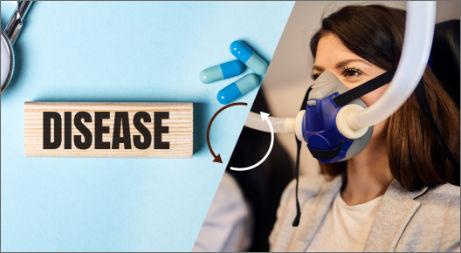
Achieve prudence in seeking HBOT for Liver Cirrhosis conclusion.
In conclusion, hyperbaric oxygen therapy (HBOT) offers a promising adjunctive treatment for liver cirrhosis by significantly enhancing oxygen delivery to impaired liver tissues. This increase in oxygenation can stimulate cellular regeneration, reduce inflammation, and mitigate oxidative stress, which are crucial factors in the progression of cirrhosis. Additionally, HBOT may promote angiogenesis, improving blood supply and further supporting liver function. While not a standalone cure, HBOT complements traditional treatments, potentially enhancing overall liver health and patient outcomes. Continued research and clinical trials are essential to fully understand the benefits and optimize the protocols of HBOT for liver cirrhosis patients. Integrating HBOT into comprehensive treatment plans could offer a significant improvement in managing this chronic liver condition, providing hope for better quality of life and extended survival for those affected by liver cirrhosis.
References
https://www.ncbi.nlm.nih.gov/pmc/articles/PMC6036079/
 Call Now