
Step into a realm of healing and rejuvenation at our Hyperbaric Oxygen Therapy (HBOT) center, where ancient wisdom meets modern science. Experience the transformative power of hyperbaric oxygen as it gently guides you on a journey to holistic pain management. Discover how each session is tailored to restore balance and vitality while embracing the harmony between body, mind, and soul. Embrace this innovative approach at our serene oasis dedicated solely to your well-being.
Enhance endurance with hyperbaric oxygen therapy. Vitality awaits you!
Embark on a journey into a realm where healing knows no bounds with Hyperbaric Oxygen Therapy (HBOT), a transformative treatment that redefines the boundaries of wellness. Within specially pressurized chambers, patients embark on a journey of rejuvenation as they breathe in pure oxygen at elevated levels. This immersive experience saturates every cell in the body, triggering a cascade of healing responses that extend far beyond traditional medicine. From accelerating wound healing to enhancing recovery from conditions like carbon monoxide poisoning and decompression sickness, HBOT offers a holistic approach to wellness that addresses the root causes of ailments. As individuals embrace this innovative therapy, they unlock new possibilities for healing and embark on a path toward optimal health and vitality.
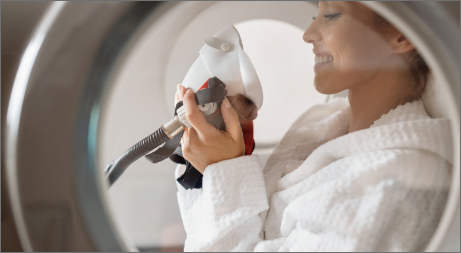

Endurance is the key to mastering pain management challenges.
Explore the multifaceted realm of pain management, where the intricate interplay of biology, psychology, and individual experience shapes the quest for relief. Pain, whether acute or chronic, presents a universal challenge, transcending boundaries of age, gender, and culture. Amidst this complexity, healthcare professionals employ a diverse arsenal of interventions, from pharmaceuticals to holistic therapies, to address pain's diverse manifestations. Yet, at its core, effective pain management hinges on personalized care, tailored to the unique needs and circumstances of each individual. By embracing a multidisciplinary approach and fostering empathy and understanding, we navigate the intricate terrain of pain management with compassion, striving to alleviate suffering and restore comfort and well-being to those in need.
Embrace the Hyperbaric HBOT journey for durable pain management results.
Discover the transformative potential of Hyperbaric Oxygen Therapy (HBOT) in the realm of pain management, where oxygen becomes a powerful ally in the fight against discomfort and suffering. Within pressurized chambers, patients receive a concentrated infusion of oxygen, saturating tissues and triggering a cascade of healing responses. HBOT's ability to reduce inflammation, enhance tissue repair, and promote cellular regeneration offers promise in alleviating various types of pain, from acute injuries to chronic conditions. By addressing the underlying mechanisms of pain at the cellular level, HBOT offers a holistic approach to pain management that complements traditional modalities. As individuals embrace this innovative therapy, they unlock new avenues for relief, reclaiming their vitality and quality of life in the process.
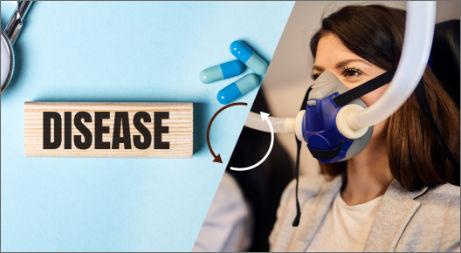
Optimize endurance through engaging in Hyperbaric Oxygen for Pain Management.
In conclusion, Hyperbaric Oxygen Therapy (HBOT) emerges as a beacon of hope in the realm of pain management, offering a unique and innovative approach to alleviating discomfort and enhancing well-being. By harnessing the power of oxygen to stimulate healing at the cellular level, HBOT addresses the root causes of pain, providing relief for individuals grappling with acute injuries or chronic conditions. Its ability to reduce inflammation, promote tissue repair, and enhance overall healing processes presents a promising avenue for those seeking alternative and holistic solutions. As individuals embrace the transformative potential of HBOT, they embark on a journey towards renewed vitality, reclaiming their lives from the grips of pain and rediscovering joy in the freedom of comfort and well-being.
References
https://pubmed.ncbi.nlm.nih.gov/35393218/
 Call Now