
Embark on a transformative journey at Sector 18 Metro Station in Noida, India, where innovative Hyperbaric Oxygen Therapy (HBOT) helps combat Vascular Occlusion. Experience the power of pressurized Oxygen to enhance circulation and bring relief to the affected areas. Unlock a new realm of healing as you delve into the depths of Hyperbaric medicine, redefining traditional treatments. Immerse yourself in a cutting-edge approach that elevates your well-being beyond expectations, right in the heart of Noida.
The webpage is renewing its overview of Hyperbaric Oxygen Therapy.
Hyperbaric Oxygen Therapy (HBOT) is a medical treatment where patients breathe pure oxygen in a pressurized chamber. This therapy significantly increases oxygen levels in the blood and tissues, promoting enhanced healing and recovery. HBOT is commonly used to treat conditions such as decompression sickness, chronic non-healing wounds, and carbon monoxide poisoning. By delivering higher oxygen concentrations, it helps to reduce inflammation, fight infection, and stimulate the growth of new blood vessels. Additionally, HBOT can be beneficial for patients with diabetic foot ulcers, radiation injuries, and certain infections.
The benefits of HBOT extend beyond its primary uses. It enhances white blood cell activity, boosting the body’s ability to fight infections. The increased oxygen also supports the repair of damaged tissues and reduces edema, facilitating faster recovery from injuries. Furthermore, HBOT has shown potential in improving outcomes for traumatic brain injuries and promoting neuroplasticity, aiding in the recovery of brain function. Overall, HBOT offers a versatile and effective approach to enhancing health and recovery in various medical conditions.
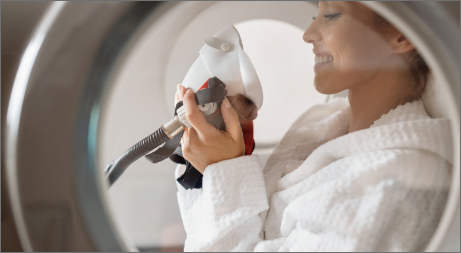

Upon closer examination, the vivacity of the Vascular Occlusion disease.
Vascular occlusion disease is a condition characterized by the blockage of blood vessels, impeding blood flow to various organs and tissues. This can result from a variety of causes, including atherosclerosis, thrombosis, or embolism. The disease's complexity lies in its multifaceted impact on the body, as it can affect arteries, veins, or capillaries, leading to tissue ischemia and potential organ damage. Symptoms vary widely depending on the location and severity of the occlusion, ranging from pain and swelling to life-threatening conditions such as stroke or myocardial infarction. Diagnosis often involves imaging techniques like Doppler ultrasound, MRI, or angiography. Treatment strategies are equally diverse, encompassing lifestyle modifications, medications like anticoagulants and thrombolytics, and surgical interventions such as angioplasty or bypass surgery. Early detection and management are crucial to prevent serious complications and improve patient outcomes in those afflicted with vascular occlusion disease.
Hyperbaric Oxygen Therapy bolstering treatment for Vascular Occlusion woes.
Hyperbaric oxygen therapy (HBOT) can be beneficial in managing vascular occlusion disease through the following mechanisms:
- Enhanced Oxygen Delivery: HBOT increases the amount of oxygen dissolved in the blood, improving oxygen delivery to ischemic tissues.
- Angiogenesis Promotion: Stimulates the formation of new blood vessels, enhancing blood supply to affected areas.
- Reduced Inflammation: Decreases inflammatory responses, mitigating tissue damage and promoting healing.
- Improved White Blood Cell Function: Boosts the ability of white blood cells to fight infections, crucial in preventing complications like infections in ischemic tissues.
- Edema Reduction: Lowers tissue swelling, which can relieve pressure on blood vessels and enhance blood flow.
In hyperbaric oxygen therapy, patients breathe pure oxygen in a pressurized chamber, increasing oxygen availability throughout the body. This process aids in the recovery of tissues compromised by reduced blood flow due to vascular occlusion. By enhancing tissue oxygenation and promoting healing processes, HBOT offers a valuable adjunctive treatment to conventional methods, potentially improving outcomes and quality of life for patients suffering from this complex disease.
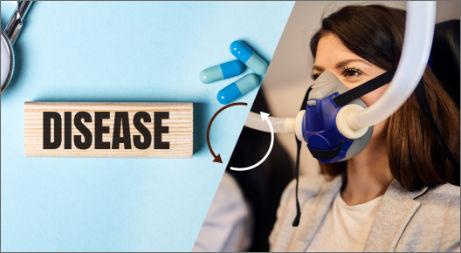
Hyperbaric oxygen therapy shows promise in renewing vascular occlusion treatment efficacy.
Hyperbaric oxygen therapy (HBOT) offers significant benefits for patients with vascular occlusion disease. By enhancing oxygen delivery, promoting angiogenesis, reducing inflammation, and improving white blood cell function, HBOT addresses the multifaceted challenges of this condition. The therapy also helps reduce edema, relieving pressure on blood vessels and facilitating better blood flow. In a hyperbaric chamber, patients breathe pure oxygen at increased atmospheric pressure, which markedly increases oxygen availability in the bloodstream and affected tissues.
These therapeutic effects make HBOT a valuable addition to conventional treatments like medications and surgical interventions. Its ability to accelerate tissue recovery and reduce complications is particularly beneficial for those suffering from ischemic conditions caused by vascular occlusions. By integrating HBOT into the treatment regimen, healthcare providers can enhance patient outcomes, potentially reducing the risk of severe complications and improving the overall quality of life for those affected by vascular occlusion disease.
References
https://www.ncbi.nlm.nih.gov/pmc/articles/PMC8465921/
 Call Now