
Step into the realm of Hyperbaric oxygen therapy at reformingSector 70, Faridabad, India. Uncover a groundbreaking approach to healing Necrotizing Fasciitis through HBOT, a procedure that involves the inhalation of pure Oxygen in a pressurized chamber. Witness the power of this innovative treatment as it combats the effects of the flesh-eating disease, working on a cellular level to promote healing and tissue regeneration. Embrace the future of medical technology and discover a new pathway to recovery at reformingSector 70.
Hyperbaric oxygen therapy overview for reforming damaged tissues and promoting healing.
Hyperbaric oxygen therapy (HBOT) involves breathing pure oxygen in a pressurized chamber, increasing the amount of oxygen in the blood and tissues. This therapy promotes faster healing of chronic wounds, such as diabetic foot ulcers and non-healing surgical wounds, by enhancing tissue oxygenation and promoting new blood vessel formation. HBOT also inhibits the growth of anaerobic bacteria and enhances the effectiveness of antibiotics, making it useful in treating infections like gangrene and necrotizing fasciitis. Additionally, it reduces inflammation and edema, benefiting conditions like traumatic brain injury and spinal cord injury.
HBOT is effective in treating radiation-induced injuries, such as radiation cystitis and proctitis, by improving blood flow and oxygenation to damaged tissues. It is a primary treatment for carbon monoxide poisoning, rapidly increasing oxygen levels in the blood to displace carbon monoxide and restore normal oxygen transport. The therapy may also enhance oxygen supply to the brain, aiding in the recovery of neurological conditions like stroke and multiple sclerosis. Athletes and individuals recovering from surgery or injury benefit from HBOT through reduced recovery time, promoted tissue repair, and decreased swelling. Overall, HBOT enhances the body’s natural healing processes by significantly increasing oxygenation.
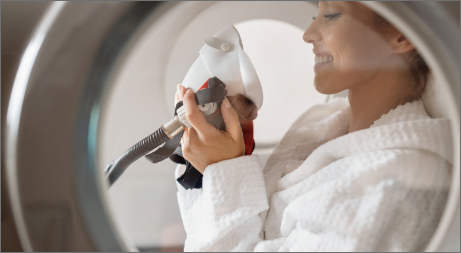

Uncover the intricacies of Necrotizing Fasciitis through closer examination.
Necrotizing fasciitis is a rare but severe bacterial infection that rapidly destroys the body's soft tissue, including muscles, nerves, fat, and blood vessels. Commonly known as "flesh-eating disease," it typically begins with a minor cut, scrape, or other skin injury. The infection spreads quickly, often within hours, causing severe pain, swelling, and redness at the infection site. Symptoms may include fever, chills, fatigue, and vomiting.
Several types of bacteria can cause necrotizing fasciitis, with Group A Streptococcus (GAS) being the most common culprit. Early diagnosis and treatment are critical to prevent widespread tissue damage and death. Treatment usually involves emergency surgery to remove infected tissue, intravenous antibiotics to halt the bacterial spread, and supportive care. Hyperbaric oxygen therapy (HBOT) can be used as an adjunct treatment to enhance oxygen supply to the affected tissues, aiding in the healing process. Prompt medical attention is essential to improve outcomes and reduce mortality.
Hyperbaric oxygen therapy reforming Necrotizing Fasciitis treatment effectively.
Hyperbaric oxygen therapy (HBOT) is an effective adjunct treatment for necrotizing fasciitis, a severe bacterial infection that rapidly destroys soft tissue. HBOT involves placing the patient in a pressurized chamber and administering pure oxygen. This process significantly increases the amount of oxygen in the patient's blood and tissues, promoting healing and combating infection.
In the context of necrotizing fasciitis, HBOT works through several mechanisms:
- Enhanced Oxygen Delivery: The high-pressure environment allows more oxygen to dissolve in the blood, ensuring that oxygen reaches the affected tissues, which may be compromised due to the infection.
- Inhibition of Bacterial Growth: Many bacteria responsible for necrotizing fasciitis, such as anaerobic bacteria, thrive in low-oxygen environments. HBOT increases oxygen levels, inhibiting bacterial growth and helping to control the infection.
- Reduced Inflammation: HBOT reduces inflammation and edema in the infected tissues, decreasing pressure and improving blood flow to the affected area.
- Promotion of Healing: The increased oxygen supply accelerates the body's natural healing processes, promoting the formation of new blood vessels (angiogenesis) and enhancing tissue repair.
- Improved Antibiotic Efficacy: The high oxygen environment can enhance the effectiveness of certain antibiotics, making them more potent against the infection.
Overall, HBOT is a valuable therapy in the management of necrotizing fasciitis, supporting surgical and antibiotic treatments by enhancing oxygen delivery, inhibiting bacterial growth, reducing inflammation, and promoting tissue healing.
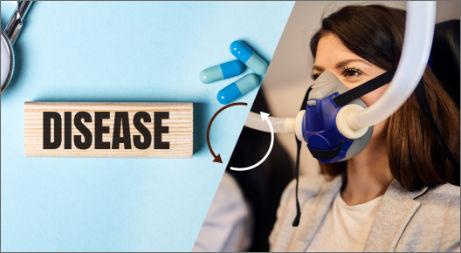
Hyperbaric oxygen therapy reforming treatment for Necrotizing Fasciitis is groundbreaking.
In summary, hyperbaric oxygen therapy (HBOT) plays a crucial role in the treatment of necrotizing fasciitis. By significantly increasing oxygen levels in the blood and tissues, HBOT supports the body's natural healing processes and enhances the effectiveness of other treatments such as surgery and antibiotics. The therapy inhibits the growth of bacteria, reduces inflammation, and promotes tissue repair, making it a vital adjunct in the management of this severe and rapidly progressing infection. While further research continues to explore its full potential, HBOT has already proven to be a lifesaving intervention in cases of necrotizing fasciitis, improving patient outcomes and reducing mortality rates. Its ability to deliver high concentrations of oxygen to compromised tissues underscores its importance in modern medical practice.
References
https://www.ncbi.nlm.nih.gov/pmc/articles/PMC6516968/
 Call Now