
Step into a world of optimal healing at our hygienic oasis in Rajendra Nagar, Delhi, India. Discover the transformative power of Hyperbaric Oxygen Therapy (HBOT) as an innovative treatment for kidney failure. Replenish your body with oxygen-rich sessions tailored to boost recovery and enhance well-being. Embrace the journey towards rejuvenated health through cutting-edge technology and compassionate care. Elevate your vitality and reclaim wellness with each HBOT session amidst serene surroundings designed to nurture mind, body, and spirit.
Implementing hyperbaric oxygen therapy is both innovative and hygienic.
Step into a world where healing transcends boundaries with Hyperbaric Oxygen Therapy (HBOT), a revolutionary treatment reshaping the landscape of wellness. Enclosed within pressurized chambers, patients embark on a journey of revitalization, breathing in pure oxygen at heightened levels. This immersive encounter saturates every cell, catalyzing a cascade of healing responses beyond conventional medicine. From expediting wound recovery to aiding in conditions like carbon monoxide poisoning and decompression sickness, HBOT offers a comprehensive approach to well-being by addressing underlying causes. As individuals embrace this cutting-edge therapy, they unlock newfound avenues for healing, propelling them towards a future of optimal health and boundless vitality.
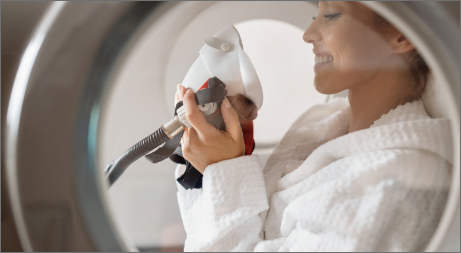

Enhance renal wellness through a diligent hygienic routine.
Kidney failure, also known as end-stage renal disease (ESRD), occurs when the kidneys lose their ability to effectively filter waste and excess fluids from the blood. This can lead to the accumulation of harmful substances in the body. Causes include chronic conditions like diabetes, hypertension, and glomerulonephritis. Symptoms often appear gradually and can include fatigue, swelling in the legs and feet, shortness of breath, and changes in urination patterns. Diagnosis involves blood tests, urine tests, and imaging studies to assess kidney function. Treatment focuses on managing the underlying cause, slowing the progression of the disease, and addressing complications. In advanced stages, dialysis or a kidney transplant may be necessary to sustain life. Effective management and early intervention are crucial for improving patient outcomes and quality of life.
Embrace Hyperbaric oxygen therapy to treat kidney failure hygienically.
Hyperbaric oxygen therapy (HBOT) involves breathing pure oxygen in a pressurized chamber, which can enhance oxygen delivery to tissues and promote healing. While primarily used for conditions like decompression sickness and chronic wounds, its potential benefits for kidney failure are being explored. HBOT may improve kidney function by reducing inflammation, oxidative stress, and hypoxia (lack of oxygen) in renal tissues. Enhanced oxygenation can support cellular repair and mitigate damage from ischemia-reperfusion injuries, common in acute kidney injury. Some studies suggest HBOT can help in cases of acute kidney failure or as an adjunct therapy in chronic kidney disease (CKD) to slow progression. However, it is not a standard treatment for kidney failure, and more research is needed to fully understand its efficacy and safety. Patients should consult with their healthcare providers to evaluate the potential benefits and risks of HBOT for their specific condition.

Through hyperbaric oxygen therapy, Kidney failure can find relief.
Hyperbaric oxygen therapy (HBOT) presents a promising yet experimental approach to treating kidney failure by improving tissue oxygenation and reducing inflammation. While its primary uses are well-established in other medical conditions, the application of HBOT for kidney failure focuses on its potential to enhance renal function and aid in tissue repair. Initial studies indicate benefits in acute kidney injury and possibly as an adjunct in chronic kidney disease (CKD), suggesting that increased oxygen delivery can mitigate renal hypoxia and oxidative stress. However, HBOT is not yet a mainstream treatment for kidney failure, and further clinical research is crucial to establish its efficacy and safety comprehensively. Patients should discuss HBOT with their healthcare providers to consider it as part of a broader, individualized treatment plan. The evolving research holds promise, but cautious optimism and thorough medical guidance are essential in exploring this therapy for kidney health.
References
https://pubmed.ncbi.nlm.nih.gov/16034546/
 Call Now