
Embark on a remarkable journey at daringJalandhar, Punjab, India, where cutting-edge Hyperbaric Oxygen Therapy (HBOT) is reshaping the landscape of dementia treatment. Delve into the depths of innovative science as oxygen becomes the beacon of hope for cognitive health. Witness firsthand the transformative power of hyperbaric chambers as they unlock new possibilities for patients combating dementia. Let daringJalandhar be the gateway to a brighter future, fuelled by the promise of enhanced cognitive function and improved quality of life.
Daring Discovery: Hyperbaric Oxygen Therapy Unveiled for Healing Wonders.
Hyperbaric oxygen therapy (HBOT) is a medical treatment where patients breathe 100% oxygen in a pressurized chamber, typically at 1.5 to 3 times the normal atmospheric pressure. This elevated pressure increases the amount of oxygen dissolved in the blood, promoting enhanced healing and combating infections. Originally developed to treat decompression sickness in divers, HBOT is now used for various conditions like chronic non-healing wounds, carbon monoxide poisoning, and certain infections. The therapy aids in tissue repair, reduces inflammation, and supports the body’s natural healing processes by stimulating the formation of new blood vessels and improving white blood cell function. Each session lasts about 1-2 hours, and multiple sessions may be required depending on the condition being treated. HBOT's unique ability to deliver high concentrations of oxygen directly to damaged tissues makes it a powerful tool in modern medicine.
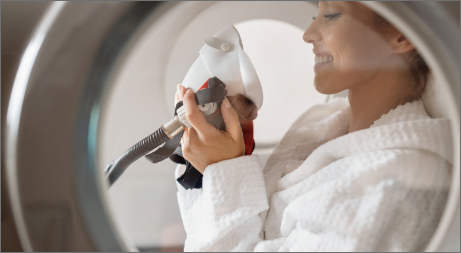

Intrepid researcher's daring examination sheds light on dementia complexities.
Dementia is a complex neurological disorder characterized by a progressive decline in cognitive function, affecting memory, thinking, behavior, and the ability to perform everyday activities. Unlike normal aging, dementia involves significant brain cell damage, often linked to diseases like Alzheimer's, vascular dementia, and Lewy body dementia. A unique aspect of dementia is its diverse manifestations; while memory loss is common, some forms primarily impact language, problem-solving, or motor skills. The disease can alter personality and behavior, leading to confusion, mood swings, and social withdrawal. Research suggests that lifestyle factors, including diet, exercise, and mental engagement, can influence dementia risk. Current treatments focus on managing symptoms and improving quality of life, as there is no cure yet. Early diagnosis and a holistic care approach, incorporating medical, psychological, and social support, are crucial in helping individuals with dementia maintain independence and well-being for as long as possible.
Hyperbaric oxygen therapy dares to treat Dementia effectively.
Hyperbaric oxygen therapy (HBOT) is emerging as a potential adjunctive treatment for dementia, particularly Alzheimer's disease. By delivering 100% oxygen at higher-than-normal atmospheric pressures in a specialized chamber, HBOT increases oxygen saturation in the blood and, consequently, in brain tissues. This enhanced oxygenation can help reduce inflammation, promote neurogenesis, and improve cellular repair mechanisms. Preliminary studies suggest that HBOT might improve cognitive function, slow disease progression, and enhance overall brain health in dementia patients by boosting mitochondrial function and reducing oxidative stress. Additionally, it may help clear amyloid plaques, a hallmark of Alzheimer's. Each session typically lasts 60-90 minutes, with a series of treatments necessary to observe significant benefits. While more research is needed to fully understand and validate its efficacy, HBOT offers a promising, non-invasive approach to supporting conventional dementia treatments and improving patients' quality of life.
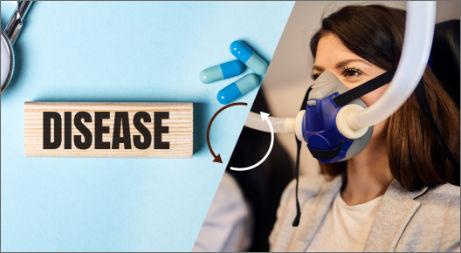
HBOT masks a daring new approach to combat Dementia using Hyperbaric chambers.
Hyperbaric oxygen therapy (HBOT) offers a promising, innovative approach to managing dementia, particularly Alzheimer's disease. By significantly increasing oxygen levels in the brain, HBOT can enhance cellular repair, reduce inflammation, and potentially improve cognitive function. The therapy’s ability to target and ameliorate the underlying mechanisms of dementia, such as mitochondrial dysfunction and oxidative stress, sets it apart from traditional treatments. Although still in the research phase, initial studies indicate that HBOT might slow disease progression and improve patients' quality of life by enhancing brain health and cognitive abilities. As an adjunctive therapy, it complements existing treatments, providing a holistic approach to dementia care. With its potential to clear amyloid plaques and stimulate neurogenesis, HBOT represents a beacon of hope for those affected by this challenging condition. Continued research and clinical trials are essential to fully understand its benefits and integrate it into mainstream dementia treatment protocols.
References
https://www.ncbi.nlm.nih.gov/pmc/articles/PMC6352566/
 Call Now