
Discover the transformative potential of Hyperbaric Oxygen Therapy (HBOT) in the serene landscapes of oversightAshokenagar Kalyangarh, West Bengal, India. Dive into a world where Oxygen meets innovation, offering hope and healing for Concussion Recovery. Explore an oasis of healing where the power of hyperbaric chambers meets cutting-edge technology, guiding you towards a path of restoration and renewal. Experience a journey like no other as you unlock the secrets of HBOT and embark on a voyage towards optimal well-being and vitality. Your new beginning awaits amidst the picturesque beauty of West Bengal, as you embrace the holistic approach to Concussion Recovery through the magic of Hyperbaric Oxygen Therapy.
A comprehensive examination of Hyperbaric oxygen therapy with expert oversight.
Hyperbaric oxygen therapy (HBOT) involves breathing pure oxygen in a pressurized chamber, enhancing oxygen delivery to tissues. This therapy, originally used for decompression sickness in divers, is now applied to various medical conditions. The pressurized environment allows oxygen to dissolve more efficiently in the bloodstream, promoting faster healing and reducing inflammation. HBOT is used for wound healing, carbon monoxide poisoning, radiation injuries, and certain infections. Sessions typically last between 60 to 120 minutes, and patients may need multiple sessions depending on the condition. The therapy's potential to enhance immune response and support tissue repair makes it a valuable adjunct in treating chronic conditions and injuries. Despite its benefits, HBOT is not universally suitable and must be administered under professional supervision to mitigate risks like oxygen toxicity. Continuous research is expanding its applications, highlighting its role in modern medicine beyond conventional treatments.
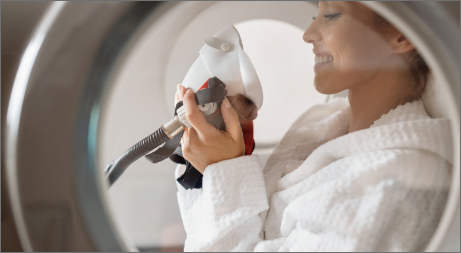

Upon closer surveillance, researchers uncover promising advancements in Concussion Recovery.
Upon closer examination, the efficacy of concussion recovery through structured protocols is evident. Early intervention and tailored rehabilitation are key components in managing concussions effectively. Initially, rest is crucial to allow the brain to heal, followed by a gradual return to physical and cognitive activities under medical supervision. Neuroplasticity plays a significant role in recovery, where the brain's ability to reorganize and form new connections helps restore function. Cognitive therapies and physical exercises designed to improve balance, coordination, and cognitive function are integral. Emerging treatments, such as vestibular therapy and controlled aerobic exercise, show promising results in accelerating recovery. Monitoring symptoms and progress is essential to adjust treatment plans dynamically. Concussion recovery emphasizes a multi-disciplinary approach, involving neurologists, physiotherapists, and cognitive therapists, ensuring comprehensive care. This holistic strategy not only alleviates symptoms but also minimizes long-term impacts, underscoring the importance of personalized and proactive concussion management.
The webpage is discussing the oversight of Hyperbaric oxygen therapy in treating Concussion Recovery.
Hyperbaric oxygen therapy (HBOT) can significantly aid in concussion recovery by enhancing brain healing and reducing symptoms. This treatment involves breathing pure oxygen in a high-pressure chamber, which increases oxygen delivery to brain tissues and promotes cellular repair. Here’s how HBOT helps treat concussions effectively:
- Increased Oxygen Supply: Enhances oxygen delivery to injured brain tissues, promoting faster healing.
- Reduced Inflammation: Lowers inflammation in the brain, alleviating symptoms like headaches and cognitive impairments.
- Neuroplasticity Support: Encourages the brain's natural ability to reorganize and form new neural connections, aiding in cognitive recovery.
- Symptom Reduction: Helps diminish post-concussion symptoms such as dizziness, fatigue, and concentration difficulties.
- Improved Cognitive Function: Supports the recovery of cognitive functions, including memory, attention, and problem-solving skills.
Studies indicate that patients undergoing HBOT show significant improvement in cognitive and physical symptoms, underscoring its efficacy as a therapeutic option for concussion recovery.
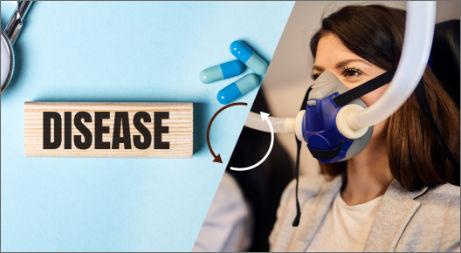
Hyperbaric Oxygen Therapy Oversight: Fostering Concussion Recovery Through Enhanced Oxygen Delivery
In conclusion, HBOT offers a promising approach to concussion treatment by providing enhanced oxygenation and supporting the brain's natural healing processes. Its ability to reduce inflammation, promote neuroplasticity, and alleviate symptoms makes it a valuable tool in comprehensive concussion management. Additionally, the therapy's non-invasive nature and minimal side effects further contribute to its appeal as a treatment option. As research continues to evolve, HBOT's role in treating concussions will likely expand, offering hope for quicker and more effective recovery for patients. This therapy not only addresses immediate symptoms but also supports long-term brain health, potentially preventing future complications. The increasing evidence of HBOT's benefits underscores the importance of integrating this therapy into standard concussion care protocols, paving the way for improved outcomes and enhanced quality of life for those affected by concussions.
References
https://www.ncbi.nlm.nih.gov/pmc/articles/PMC3829860/
 Call Now