
Revitalize your athletic journey with the transformative power of hyperbaric oxygen therapy (HBOT) at CleanOxygenize Athletic Recovery in Sector 2, Rohtak, Haryana, India. Dive into a world where healing meets innovation as you explore the profound benefits of pure oxygen under pressure for sports injuries. Enhance your recovery process and unleash peak performance potential through this cutting-edge treatment designed to elevate both body and mind. It's time to reclaim control over your fitness narrative and conquer every setback with renewed vigor - because when it comes to sports injury rehabilitation, there's only one direction: forward.
Envision a spotless canvas, untainted by impurity and flaw.
Welcome to the gateway of rejuvenation and healing - Hyperbaric Oxygen Therapy (HBOT). Step into a realm where oxygen transcends its ordinary role, becoming a catalyst for profound transformation within the human body. In the pressurized confines of hyperbaric chambers, oxygen reaches unprecedented levels, saturating tissues, and igniting a cascade of revitalization. This therapy holds the promise of healing wounds, enhancing athletic performance, and even alleviating the symptoms of various medical conditions. Join us as we embark on a journey through the science, the stories, and the astounding potential of HBOT. Discover how this innovative treatment is reshaping the landscape of modern healthcare, offering renewed hope and vitality to all who seek its embrace. Welcome to the future of wellness with Hyperbaric Oxygen Therapy.
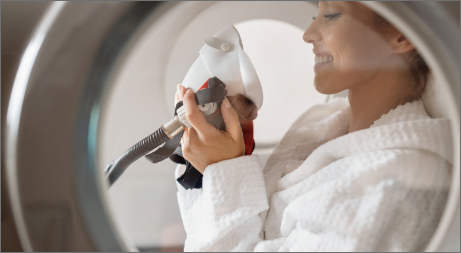

Scrubbed injury pattern reveals athlete's true endurance and resilience.
Sports injury disease refers to a range of conditions and ailments incurred during athletic activities, resulting from physical trauma, repetitive strain, or overuse. These injuries encompass musculoskeletal damage, such as sprains, strains, fractures, and dislocations, as well as soft tissue injuries like tendonitis and bursitis. They can affect various body parts including muscles, ligaments, tendons, bones, and joints, leading to pain, inflammation, reduced mobility, and impaired function. Sports injury diseases often require medical intervention, including rest, rehabilitation, physical therapy, and in some cases, surgical intervention, to facilitate recovery and prevent long-term complications that may hinder an athlete's performance and overall well-being.
Engage in HBOT to accelerate the healing process after injury.
Hyperbaric oxygen therapy (HBOT) offers a revolutionary approach to healing sports injuries by harnessing the power of pressurized oxygen. Delivered in specialized chambers, this treatment floods injured tissues with concentrated oxygen, accelerating recovery at a cellular level. The heightened oxygen levels stimulate angiogenesis, fostering the growth of new blood vessels to enhance tissue repair. Additionally, HBOT reduces inflammation, alleviates pain, and combats infection, expediting athletes' return to peak performance. Beyond mere symptom management, HBOT addresses the root cause of injuries, promoting holistic healing and minimizing the risk of recurrence. It stands as a beacon of hope, rejuvenating athletes and restoring their competitive edge.
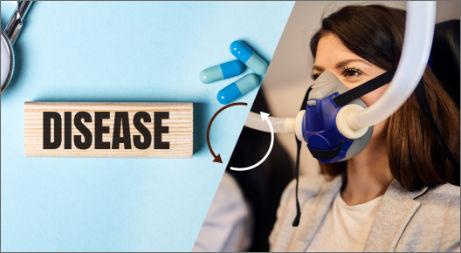
Harnessing HBOT rejuvenates weariness; manifest a revitalized, dynamic spirit.
Amidst the arena's echoes of determination, hyperbaric oxygen therapy (HBOT) stands as a beacon of innovation in the realm of sports injury recovery. This transformative modality harnesses pressurized oxygen to ignite cellular rejuvenation and vascular growth, offering athletes a path to swift rehabilitation and renewed strength. From the first inhalation within the chamber, a journey begins—a journey marked by resilience, perseverance, and the pursuit of excellence. As athletes emerge revitalized, their bodies fortified and spirits rekindled, they embody the indomitable spirit of sporting prowess. With each session, HBOT reshapes the narrative of sports injury treatment, ushering in a future where athletes conquer adversity and ascend to even greater heights of athletic achievement.
References
https://www.ncbi.nlm.nih.gov/pmc/articles/PMC3382683/
 Call Now