
Explore the transformative potential of Hyperbaric Oxygen Therapy (HBOT) in addressing sudden deafness. This innovative treatment harnesses the power of oxygen in a pressurized environment, offering a unique approach to auditory recovery. Delve into the intricacies of how this therapy can facilitate healing, enhance cellular regeneration, and potentially restore hearing function. Join us in uncovering the promising benefits that HBOT could bring to those experiencing sudden auditory impairments in the heart of Rohini, Delhi, India.
Hyperbaric oxygen therapy: an effective healing marvel.
Hyperbaric Oxygen Therapy (HBOT) is a medical treatment that involves breathing pure oxygen in a pressurized chamber. By increasing atmospheric pressure, the body is able to absorb higher levels of oxygen than normal. This elevated oxygen concentration facilitates the healing of tissues, diminishes swelling, and combats infections. HBOT is particularly beneficial in conditions where blood flow is compromised, as it promotes angiogenesis— the formation of new blood vessels— and enhances cellular regeneration. In the realm of oncology, HBOT serves as a complementary therapy, potentially improving the efficacy of radiation treatments by oxygenating tumor cells, making them more susceptible to destruction. Furthermore, it can accelerate recovery post-surgery by stimulating wound healing and reducing inflammation. This therapy is increasingly explored for its potential to augment cancer treatment outcomes, offering a non-invasive, supportive option for patients. Its ability to optimize oxygen utilization across tissues makes HBOT an essential adjunct in modern therapeutic regimens.
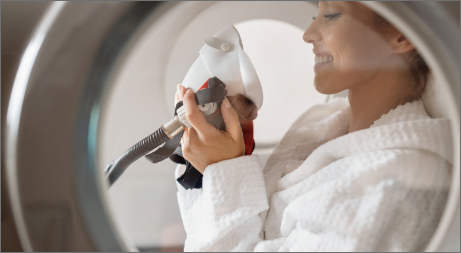

Invaluable insights illuminate sudden auditory affliction
Sudden deafness, or sudden sensorineural hearing loss (SSHL), is an abrupt, unexplained loss of hearing, typically occurring in one ear. This condition manifests rapidly, often within hours or over a few days, causing a significant reduction in auditory perception. Unlike gradual hearing loss, SSHL can be startling and disorienting. The exact cause is often unclear, though it may result from viral infections, trauma, autoimmune disorders, or disruptions to blood flow in the inner ear, impairing the function of the cochlea. Immediate medical attention is critical, as early intervention increases the chances of recovery. Treatments typically include corticosteroids to reduce inflammation and swelling within the auditory nerve and inner ear structures. Although some cases resolve spontaneously, others may lead to permanent hearing impairment if untreated. SSHL is a medical emergency, with rapid diagnosis and therapy being essential to restoring hearing function and preventing long-term auditory deficits.
Hyperbaric HBOT enhances oxygen facilitating sudden deafness recovery
Hyperbaric oxygen therapy (HBOT) can be a potential treatment option for sudden deafness by enhancing the body’s natural healing processes. In cases of sudden sensorineural hearing loss, diminished oxygen supply to the inner ear or the cochlea may be a contributing factor. HBOT involves breathing pure oxygen in a pressurized environment, increasing oxygen levels in the bloodstream. This increased oxygen delivery can aid in reducing inflammation and promoting tissue repair, helping restore cochlear function.
The elevated oxygen concentration allows better diffusion into the inner ear tissues, fostering cellular recovery and combating damage caused by hypoxia or inflammation. HBOT also stimulates the growth of new blood vessels, improving blood flow to compromised areas of the ear. Used alongside traditional treatments like corticosteroids, hyperbaric oxygen therapy can amplify healing outcomes, offering a non-invasive, adjunctive solution for individuals experiencing sudden hearing loss.
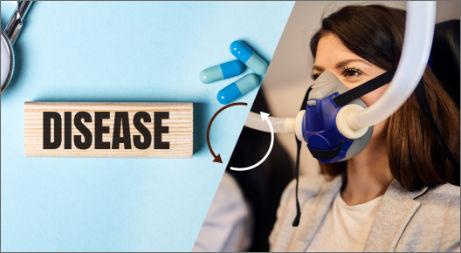
Hyperbaric oxygen therapy effectively mitigates sudden deafness through enhanced oxygenation.
Hyperbaric oxygen therapy (HBOT) presents a promising adjunctive treatment for sudden deafness, particularly when traditional interventions alone may fall short. By increasing the amount of oxygen dissolved in the blood, HBOT helps alleviate damage caused by reduced oxygen supply to the inner ear. This therapy promotes tissue regeneration and accelerates the repair process by providing optimal oxygenation to damaged cochlear cells.
Additionally, HBOT enhances microcirculation, supporting the recovery of auditory function by improving blood flow to compromised ear structures. This increased oxygen availability not only helps in reducing swelling but also stimulates cellular healing. As a non-invasive therapy, HBOT can be effectively combined with conventional treatments, such as steroids, to improve the chances of restoring hearing. With its potential to improve outcomes in cases of sudden sensorineural hearing loss, HBOT offers a valuable therapeutic approach.
References
https://www.ncbi.nlm.nih.gov/books/NBK459160/
 Call Now