
Discover the transformative potential of Hyperbaric Oxygen Therapy (HBOT) as a vital adjunct in Cancer Surgery Recovery at safeChanakyapuri, Delhi, India. Our state-of-the-art facility offers an unparalleled sanctuary where patients can experience enhanced cellular regeneration and increased oxygenation, promoting healing in a serene environment. Embrace the intricacies of this advanced treatment modality that fosters recovery, fortifies well-being, and empowers your journey toward vitality. Your path to recuperation begins with us, harnessing the power of oxygen to elevate your health and enhance post-operative outcomes.
Elevate healing: Hyperbaric oxygen therapy ensures safe recovery.
Hyperbaric Oxygen Therapy (HBOT) is a medical treatment that involves breathing 100% oxygen in a pressurized chamber. This process increases the amount of oxygen in the blood, promoting faster tissue repair, reducing inflammation, and combating infections. HBOT is particularly effective in conditions where oxygen supply is limited, such as in the treatment of wounds, radiation injuries, and infections like gangrene. For cancer patients, HBOT is often used as a supportive therapy, helping to mitigate side effects from radiation therapy by enhancing the healing of damaged tissues. It also improves blood circulation and oxygenation in areas where blood flow is compromised. Although HBOT is not a direct cure for cancer, it plays a crucial role in enhancing the effectiveness of conventional treatments and improving the quality of life by accelerating recovery and reducing complications. With its ability to repair and regenerate tissue, HBOT offers valuable benefits in various medical conditions, including cancer care.
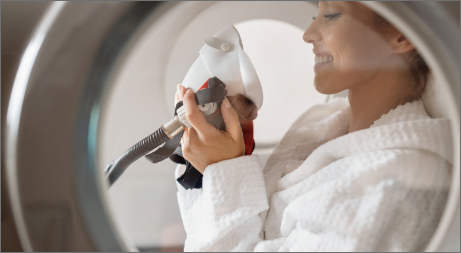

Thoroughly decontaminated surroundings enhance surgical recovery efficacy
Cancer surgery is a medical procedure that involves the removal of cancerous tumors or tissues from the body to treat or diagnose cancer. It is often one of the primary methods of treating cancer, especially when the tumor is localized and hasn't spread to other parts of the body. The goal of cancer surgery can vary, depending on the stage and type of cancer. In many cases, the aim is to remove the entire tumor and some surrounding healthy tissue to ensure that no cancer cells remain, which is known as a "margin." Cancer surgery may also be used for diagnostic purposes, such as biopsies, where a small portion of the tumor is removed to be examined under a microscope to determine if it is cancerous. In advanced cases, surgery can also be palliative, meaning it aims to relieve symptoms and improve the quality of life without curing the disease. This procedure is often combined with other treatments like chemotherapy and radiation therapy to increase effectiveness.
Hyperbaric oxygen therapy accelerates Cancer Surgery Recovery enhancing oxygenation efficacy
Hyperbaric Oxygen Therapy (HBOT) can significantly aid recovery after cancer surgery by enhancing the body’s natural healing processes. During HBOT, patients breathe pure oxygen in a pressurized chamber, which allows a higher concentration of oxygen to dissolve in the blood plasma. This elevated oxygen level promotes tissue repair, accelerates wound healing, and reduces inflammation, all of which are crucial in post-surgical recovery. For cancer patients, HBOT is particularly beneficial when surgeries involve tissues that are oxygen-deprived or have poor blood supply, such as those affected by radiation therapy. It helps combat radiation-induced tissue damage and decreases the risk of wound complications, such as infections and delayed healing. HBOT also improves circulation to the surgical site, enhancing recovery and reducing the chance of surgical scarring. While not a direct treatment for cancer, HBOT plays a supportive role in post-surgery rehabilitation, helping patients heal more efficiently and improving their overall recovery outcomes.
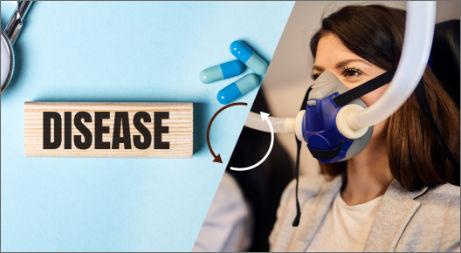
Hyperbaric HBOT enhances oxygen levels aiding Cancer Surgery Recovery significantly
Hyperbaric Oxygen Therapy (HBOT) serves as a valuable adjunct in the recuperation process following cancer surgery. By administering concentrated oxygen in a high-pressure setting, HBOT accelerates tissue regeneration, reduces inflammation, and enhances wound healing. This therapy is particularly beneficial for patients with compromised tissue health due to radiation exposure or limited blood supply, as it promotes oxygen delivery to deprived areas, facilitating recovery. Moreover, HBOT mitigates common post-surgical complications such as infections and delayed healing, ensuring a smoother and faster rehabilitation process. It also plays a critical role in reducing scarring and preventing long-term tissue damage by improving cellular repair mechanisms. Although HBOT does not directly target cancer cells, its efficacy in promoting surgical recovery makes it an indispensable component of post-operative care. By bolstering the body's natural healing capabilities, it allows patients to recover more swiftly and with fewer complications, ultimately enhancing their overall quality of life.following cancer surgery. By administering concentrated oxygen in a high-pressure setting, HBOT accelerates tissue regeneration, reduces inflammation, and enhances wound healing. This therapy is particularly beneficial for patients with compromised tissue health due to radiation exposure or limited blood supply, as it promotes oxygen delivery to deprived areas, facilitating recovery. Moreover, HBOT mitigates common post-surgical complications such as infections and delayed healing, ensuring a smoother and faster rehabilitation process. It also plays a critical role in reducing scarring and preventing long-term tissue damage by improving cellular repair mechanisms. Although HBOT does not directly target cancer cells, its efficacy in promoting surgical recovery makes it an indispensable component of post-operative care. By bolstering the body's natural healing capabilities, it allows patients to recover more swiftly and with fewer complications, ultimately enhancing their overall quality of life.
References
https://www.ncbi.nlm.nih.gov/books/NBK546599/
 Call Now